


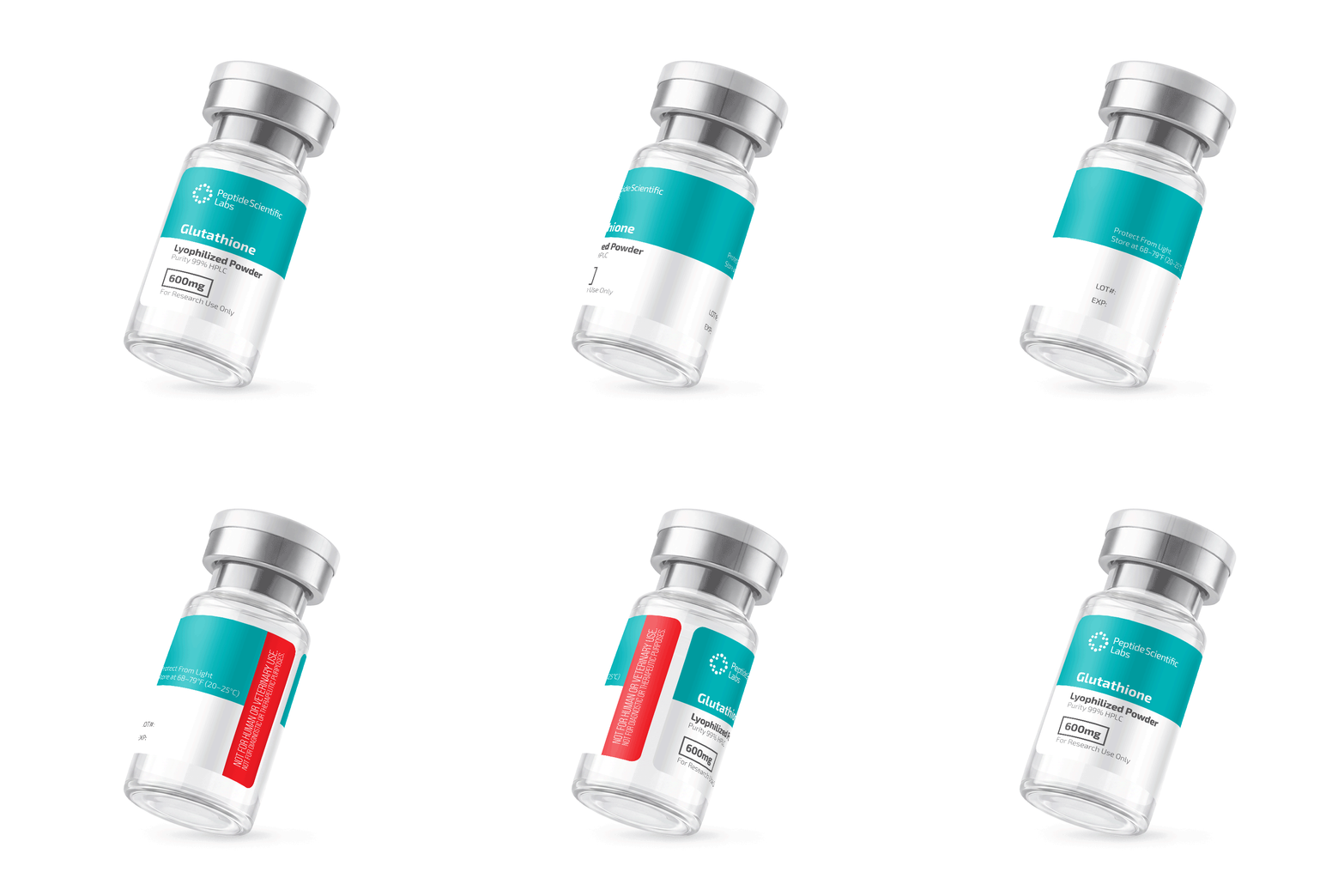


Glutathione 600mg Peptides
Precision matters in every run, and this glutathione vial is built to deliver consistent, research-ready performance.
Glutathione Lyophilized Vial by Peptide Scientific Labs is a sterile, unflavored research format featuring the endogenous tripeptide active. Each unit provides a total of 600mg per vial, presented as a stable lyophilized powder designed for controlled handling, clean reconstitution, and dependable protocol integration.
- Each vial contains 600mg of Glutathione, an endogenous antioxidant studied for redox balance, reactive oxygen species modulation, cellular defense, and phase II detoxification pathways in a wide range of experimental models.
Developed for laboratory use, this lyophilized presentation supports consistent solution preparation and streamlined method development. Researchers can expect a uniform, low-particulate powder that reconstitutes cleanly under proper aseptic technique, aiding repeatability across assays that investigate oxidative stress models, redox cycling, and related biochemical workflows. The controlled format, single-vial configuration, and clear labeling support accurate calculations, aliquoting, and storage practices within standard laboratory settings.
Every vial is produced with strict attention to material handling and environmental controls to help preserve integrity from fill to finish. The result is a reliable glutathione resource tailored to laboratory requirements—no flavoring, no excipients not essential to the format—just a focused, study-ready compound in a stable, dry state.
Why Peptide Scientific Labs
- USA-based quality – Manufactured and packaged in the United States with rigorous process controls and documented lot traceability.
- Purity and identity testing – Independently verified to confirm compound identity and purity for research applications.
- Consistent handling – Careful lyophilization and careful environmental management to support stability and reproducibility.
- Transparent documentation – Clear labeling and batch information to support method validation and recordkeeping.
For laboratory research use only. Not for human consumption, clinical use, or veterinary use. Handle using appropriate protective equipment and follow institutional and regulatory guidelines for storage, reconstitution, and disposal.
- Most orders ship within 24 hours and arrive within 3 to 5 days of leaving our warehouse.
- Shipping is free on orders of $99+ (except Hawaii and Alaska).
- All orders ship in discreet packaging via USPS Ground Advantage mail.
Delivery restrictions vary by state.

This Product Contains

Customer Reviews
There are no reviews yet. Be the first to write a review!

Frequently Asked Questions
What is Glutathione typically studied for?
Researchers commonly study glutathione in relation to oxidative stress, redox buffering, mitochondrial stress response, and cellular detoxification systems. A good FAQ should emphasize its fundamental role in biochemical research rather than turning it into a broad therapeutic claim.
Why are vitamins paired with peptide research?
Many vitamins serve as precursors for coenzymes that are essential in the biochemical pathways peptides interact with. For example, B-complex vitamins are precursors for coenzymes involved in amino acid metabolism, redox chemistry, and methylation pathways — all of which intersect with peptide biology. Including vitamin reference materials alongside peptides allows researchers to run more complete experiments without sourcing components from multiple suppliers.
This pairing is particularly common in metabolic, mitochondrial, and longevity-related research, where peptide signaling and vitamin-dependent coenzyme activity are often studied in parallel.
What are peptide cofactors?
In biochemistry, a cofactor is a non-protein chemical that is required for a protein or peptide to carry out its biological activity. Common cofactors include metal ions such as copper, zinc, magnesium, and iron, as well as small organic molecules known as coenzymes — many of which are derived from vitamins.
Peptide research often involves cofactors in two ways: as necessary components of certain peptide activities (for example, copper in GHK-Cu), and as reference materials used alongside peptides in enzymatic and metabolic assays. The Vitamins & Cofactors category on Peptide Scientific Labs provides such supporting research materials in lyophilized form for laboratory use.
What is the role of NAD+ and B-vitamins in peptide studies?
NAD+ (nicotinamide adenine dinucleotide) is a central coenzyme in cellular metabolism, involved in redox reactions and in the activity of enzymes such as sirtuins and PARPs. It is derived from niacin (vitamin B3) and is widely used in research on cellular energy metabolism, aging, and mitochondrial function — areas where peptides such as MOTS-c and SS-31 are also studied.
Other B-vitamins, including B12 (cobalamin), serve as precursors for coenzymes involved in one-carbon metabolism and methylation, which are relevant to a wide range of peptide-related research. Supplying NAD+ and B-vitamins alongside peptide reference materials enables more integrated laboratory studies of these interconnected pathways.